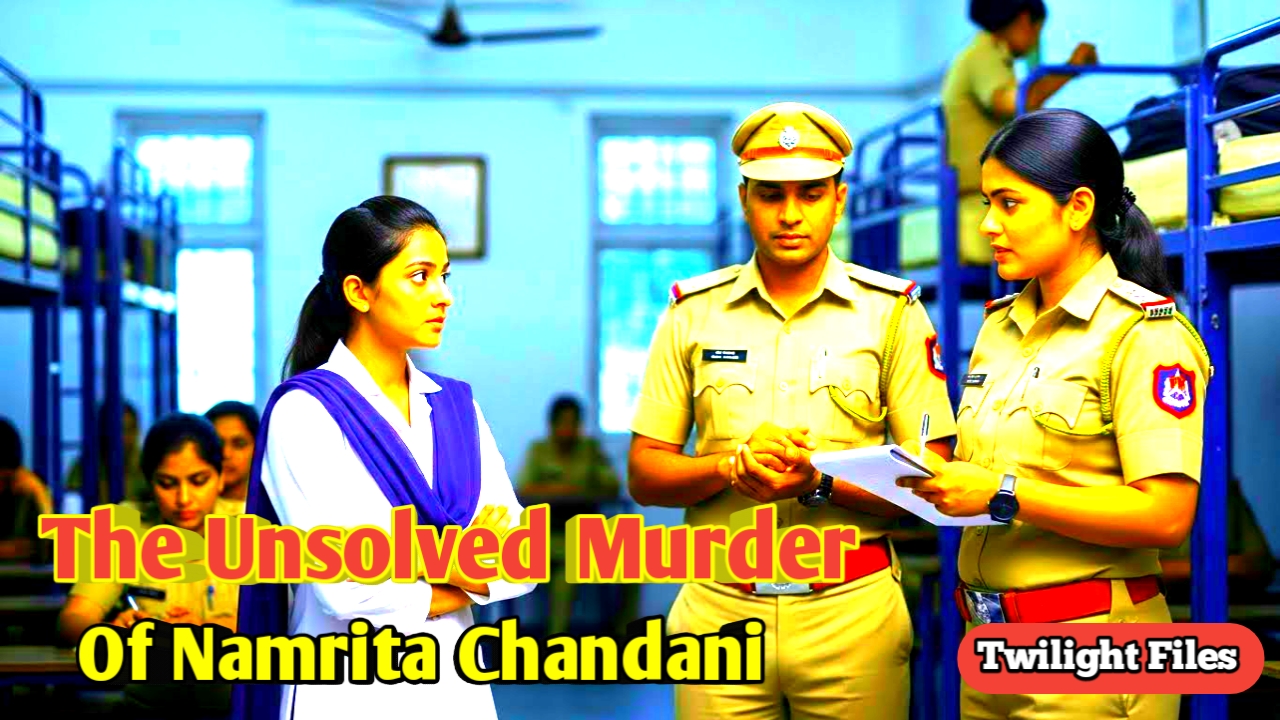
Namrita Unsolved case in Larka Sindh
۔
This is not a movie, this is real life… a murder that shook an entire nation, and the killer remains hidden to this day.
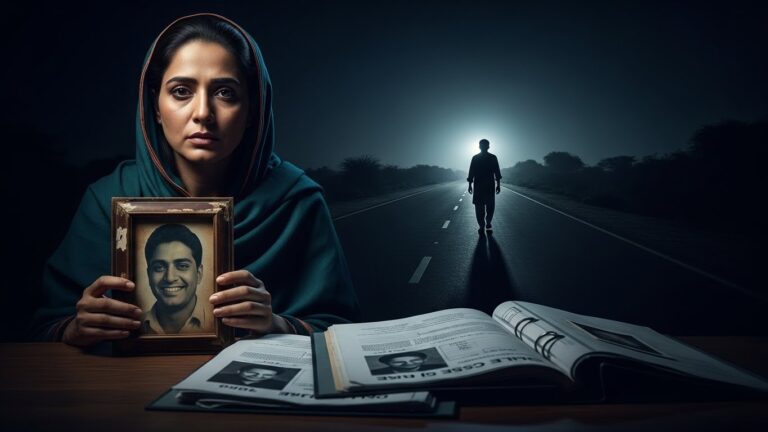
Her name was Namrita Amarta Maher Chandani. She was just 22 years old. Born and raised in Ghotki, Sindh, she belonged to the Hindu minority community.
From a young age, Namrita had dreams bigger than her surroundings. She wanted to become a doctor, to help others, and to build a life full of purpose.
Her family supported her every step of the way, and she had earned the respect and admiration of her teachers, classmates, and community.
By 2019, Namrita was in her final year at Bibi Aseefa Dental College in Larkana. She was known as a dedicated, intelligent, and cheerful student, always ready to help her peers, and full of hope for the future.
Friends remember her laughter, her kindness, and her determination. But fate had something far more sinister in store.
On 16 September 2019, a normal day turned into a nightmare.
Namrita was found dead in her hostel room. The door was locked from the inside, her body lying motionless on the bed. A scarf or rope was tied around her neck. The initial question that everyone asked was chilling: Was it suicide or murder?
The hostel authorities quickly contacted the police. Investigators arrived and began their examination. Police initially suggested the possibility of suicide, but Namrita’s family was adamant: their daughter had been murdered. Tensions grew as whispers of foul play spread through the college and local community.
Two classmates were taken into preliminary custody. Their phones and social media activity were analyzed, but the early investigations yielded no solid evidence. Questions mounted: Who would want to harm Namrita? Why? And how could this have happened in a supposedly safe hostel environment?
Forensic examinations added further complexity to the case. The cause of death was determined to be asphyxiation—a suffocating blow that ended Namrita’s young life. Male DNA was found on her clothing, suggesting that she had been sexually assaulted before her death. No poison or drugs were detected.
The ligature marks on her neck created a harrowing ambiguity: had she hanged herself, or had someone else ended her life violently?
The investigation faced significant delays and mishandling of evidence, making it harder to reach any conclusion. Fingerprints were found to be partially damaged, and critical samples arrived late at forensic labs, reducing their reliability
Meanwhile, the community was in uproar. Protests erupted across Sindh, demanding justice for Namrita. Parents, students, and minority rights groups raised their voices, questioning the efficiency of law enforcement and calling for a judicial inquiry. The media spotlight intensified public pressure, yet concrete answers remained elusive.
The official investigation continued, but it was riddled with obstacles. Conflicting evidence, uncooperative witnesses, and delayed reports left investigators frustrated. The classmates who were initially questioned could not provide clear explanations, and no other suspects were conclusively identified.
Days turned into weeks, and weeks into months. Namrita’s family sought justice tirelessly, appealing to authorities, and demanding accountability. Yet, the case slowly turned into a cold case, with the most critical questions still unanswered.
Who killed Namrita Chandani?
Was it suicide or murder?
Whose DNA was found on her clothes?
Were there failures, negligence, or a cover-up at the hostel or college?
Every answer seemed just out of reach, leaving a chilling sense of injustice.
The life of a young, promising girl ended abruptly, and the truth behind her death vanished into uncertainty.
To this day, the identity of her killer remains unknown. The forensic evidence, though shocking, was not enough to solve the crime.
The Namrita Chandani murder remains one of Pakistan’s most tragic and unsolved mysteries, a reminder of the fragility of life and the gaps in systems meant to protect the innocent.
Her story is not just a crime report; it is a haunting reflection of lost potential, unanswered questions, and a call for justice that still echoes through the corridors of Sindh.